Comparing Concierge Medicine vs Urgent Care for Sudden Illness
By drvadmin
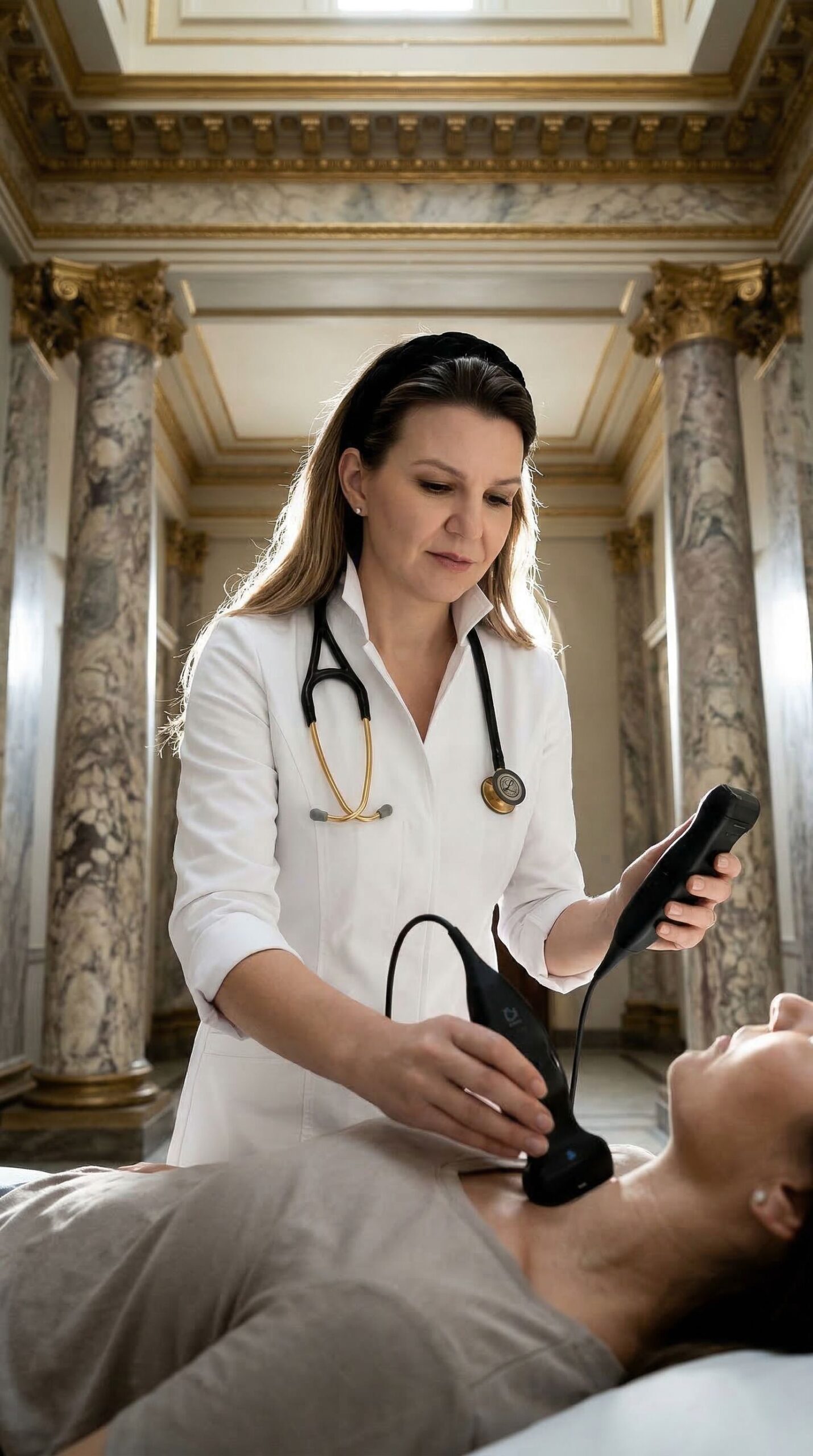
When a sudden fever, persistent cough, or unexpected injury strikes, the immediate question is always the same: where is the best place to receive prompt, effective medical care?
For busy professionals, executives, and active families, navigating the healthcare system during an acute illness often brings immense frustration. Traditional primary care physicians may lack available appointments for days or even weeks, forcing patients to seek alternative solutions. This typically leads to traditional walk-in clinics, which, while accessible, often present long wait times, crowded waiting rooms full of other sick individuals, and a highly transactional approach to medicine where the treating provider has absolutely no knowledge of the patient's comprehensive medical history.
Understanding the differences between concierge medicine vs urgent care is essential for making informed healthcare decisions. This comprehensive guide explores how the fragmented, high-volume nature of walk-in clinics contrasts with the seamless, history-informed, and highly accessible care provided by a dedicated concierge physician. By examining the benefits of direct access, continuity of care, and personalized treatment protocols, patients can better determine which healthcare delivery model aligns with their lifestyle, health goals, and expectations for acute illness management.
The Dilemma of Sudden Healthcare Needs: Navigating Immediate Options
Sudden illnesses do not adhere to convenient schedules. A severe sinus infection can develop the night before a critical board meeting, or a sudden bout of gastrointestinal distress can disrupt a carefully planned family vacation. When these acute, non-life-threatening medical issues arise, patients are immediately thrust into a high-stress decision-making process regarding their healthcare options. The traditional medical system often presents a distinct bottleneck: the patient's primary care physician, who holds their medical records and understands their health baseline, is frequently overbooked, making a same-day or next-day appointment virtually impossible. Consequently, individuals are forced to look outside their established medical home for immediate relief. This dynamic creates a significant gap in healthcare delivery, particularly for individuals who place a premium on their time and the quality of their medical care. The anxiety of feeling unwell is compounded by the logistical hurdles of securing an appointment, traveling to a clinic, and navigating the intake process with a completely new set of medical staff. Patients often find themselves balancing the urgency of their symptoms against the dreaded prospect of spending hours in a public waiting room.
Furthermore, the modern professional lifestyle demands efficiency and precision. Taking half a day off work to sit in a clinic waiting room is not just an inconvenience; it represents a tangible loss of productivity and added stress. Patients in these scenarios are not merely seeking a quick prescription; they are seeking a rapid return to their optimal state of health, guided by medical advice they can trust. The search for a better solution has driven significant interest in alternative healthcare models. Patients increasingly want to know how different systems handle acute needs, prompting a detailed look at concierge medicine vs urgent care. Evaluating these models requires looking beyond just the speed of getting into an exam room and considering the quality, safety, and personalization of the medical decisions being made once the patient is there. Dr. Vuslat Muslu Erdem, a board-certified Internal Medicine physician at Kelsey-Seybold Clinic in Sugar Land, TX, frequently educates patients on how different care models impact overall health outcomes, emphasizing that the method of care delivery is just as important as the medical treatment itself.
- The traditional primary care bottleneck often prevents same-day access for sudden illnesses.
- Busy professionals require highly efficient healthcare solutions that minimize lost time.
- Choosing between waiting days for a known doctor or hours for an unknown provider creates patient frustration.
- Alternative healthcare models offer distinct approaches to solving the acute care dilemma.
The Impact of Delayed Care on Recovery
When patients are unable to secure prompt medical attention, minor acute illnesses can sometimes escalate into more severe conditions requiring more intensive interventions. Delays in treating respiratory infections, for example, can lead to secondary complications. The inability to quickly access a trusted physician often leads patients to delay seeking care altogether, hoping the symptoms will resolve independently. This hesitation underscores the critical need for a healthcare model that encourages early, effortless intervention rather than creating barriers to entry.
The Premium on Patient Time and Comfort
In today's fast-paced world, an individual's time is one of their most valuable assets. The traditional model of acute illness management rarely respects this asset. High-level executives, business owners, and busy parents face significant disruptions when forced to navigate inefficient medical systems. An ideal healthcare solution must prioritize not just clinical excellence, but also the logistical comfort and scheduling efficiency that respects the patient's daily commitments and personal time.
Understanding Urgent Care: The Traditional Walk-In Clinic Model
Walk-in clinics serve a highly specific and necessary function within the broader healthcare ecosystem. They were designed to bridge the substantial gap between routine primary care and the hospital emergency department. For minor traumas, weekend illnesses, and non-emergent immediate needs, these facilities offer extended hours and walk-in availability without the need for a prior appointment. The primary advantage of this model is accessibility; patients can simply arrive at the facility, register at the front desk, and wait to be seen by the next available provider. This model is particularly useful for individuals who do not have an established primary care physician, or for those traveling outside their home network who require immediate, basic medical attention. The services typically offered include X-rays for suspected minor fractures, suturing for simple lacerations, and rapid testing for common infections like strep throat or influenza.
However, the convenience of the walk-in model comes with significant clinical and experiential trade-offs, which become starkly apparent when evaluating concierge medicine vs urgent care. The most prominent limitation is the highly transactional and fragmented nature of the care provided. Walk-in facilities operate on a high-volume, rapid-turnover basis. Providers in these settings are often tasked with seeing a vast number of patients per shift, limiting the amount of time they can spend with any single individual. Furthermore, the provider treating the patient will almost certainly have no prior relationship with them and no access to their comprehensive medical history, outside of the brief intake forms filled out in the waiting room. Patients must repeatedly summarize their medical background, allergies, current medications, and past surgical history, increasing the risk that a crucial piece of information might be overlooked or miscommunicated during a brief, five-minute encounter. This fragmented approach treats the immediate symptom in isolation, rather than treating the whole patient within the context of their long-term health narrative.
- Walk-in clinics bridge the gap between primary care and the emergency room.
- The model prioritizes general accessibility and extended operating hours over personalized care.
- High patient volumes often result in abbreviated consultation times and rushed medical encounters.
- Providers lack access to the patient's comprehensive, longitudinal medical history.
- Care is highly transactional, focusing solely on the isolated symptom presenting that day.
The Challenge of Fragmented Care
Fragmented care occurs when medical treatment is delivered in isolated episodes without coordination or continuity. In a walk-in setting, the provider addresses the immediate complaint but is rarely equipped to manage how that acute illness interacts with a patient's chronic conditions. For instance, treating a severe cough in a patient with a complex history of asthma or cardiovascular issues requires a nuanced approach that a rapid-turnover clinic may struggle to provide safely. This lack of holistic oversight is a major consideration for individuals with complex medical backgrounds.
The Waiting Room Experience
Despite the name suggesting immediate attention, traditional walk-in clinics are notorious for unpredictable and often lengthy wait times. Because they operate on a first-come, first-served basis, a sudden influx of patients can turn a quick visit into a multi-hour ordeal. Additionally, spending extended time in a public waiting area surrounded by other actively symptomatic individuals increases the risk of exposure to secondary infections, a concern that became highly prominent in recent years and remains a significant deterrent for health-conscious patients.
Exploring Concierge Medicine: Personalized Care for Acute Illness
Concierge medicine, also known as membership-based primary care, represents a fundamental restructuring of how healthcare is delivered and experienced. In this model, patients pay a membership fee to secure a dedicated relationship with a physician who intentionally maintains a significantly smaller patient panel. While a traditional primary care doctor might manage a panel of 2,500 to 3,000 patients, a concierge physician typically limits their practice to a few hundred. This intentional reduction in volume is the core mechanism that allows for an unprecedented level of accessibility, personalization, and time allocation. When an acute illness arises, the concierge model is designed to respond with immediate, tailored support. Patients are not directed to a general triage hotline or told to visit an outside clinic; instead, they have direct communication channels to their dedicated physician or care team, often including direct phone lines, secure text messaging, and priority email access. This direct line of communication fundamentally changes the dynamic of sudden illness management.
When evaluating the services offered through membership-based models, the management of acute care stands out as a primary benefit. Because the physician has control over their schedule and is not burdened by high-volume constraints, same-day or next-day appointments are a standard feature rather than a rare exception. If a patient wakes up with a severe sore throat or a sudden back spasm, they can frequently arrange to be seen that very day, often in an unhurried, private setting. Furthermore, many acute issues in the concierge model can be expertly managed via secure telehealth consultations or a quick phone call, saving the patient a trip to the office altogether. Because the physician already possesses a deep, comprehensive understanding of the patient's medical history, risk factors, and baseline health metrics, they can safely triage and prescribe treatments remotely when clinically appropriate. This seamless integration of direct access, comprehensive historical knowledge, and scheduling flexibility provides a level of comfort and medical security that traditional models struggle to match.
- Membership-based models drastically reduce patient panels to ensure physician availability.
- Direct communication allows patients to reach their care team without navigating automated phone trees.
- Same-day or next-day appointments are standard practice for acute, non-emergent illnesses.
- Familiarity with the patient allows for safe, effective telehealth management of certain conditions.
- The model eliminates the need to rely on outside, fragmented clinics for sudden health issues.
Direct Physician Access and Telehealth
The ability to directly text or call a trusted physician when symptoms first appear is a cornerstone of the concierge experience. This immediate access allows for early intervention, potentially mitigating the severity of the illness. Telehealth becomes a highly effective tool in this environment; rather than a virtual visit with a random provider, it is a focused conversation with a physician who already knows the patient's complete medical background, making virtual diagnoses and treatment plans significantly safer and more accurate.
Unhurried, Comprehensive Appointments
When an in-person visit is required for an acute illness, the concierge model ensures the appointment is comprehensive and unhurried. Standard appointments often last 30 to 60 minutes, allowing the physician ample time to perform a thorough examination, fully explain the diagnosis, discuss treatment options, and answer all patient questions. This starkly contrasts with the brief, rushed encounters typical of high-volume walk-in facilities.
Concierge Medicine vs Urgent Care: A Detailed Comparison
To truly grasp the implications of choosing between concierge medicine vs urgent care, it is helpful to examine the two models across several critical healthcare metrics. First, consider the aspect of continuity of care. In a walk-in clinic, the care is episodic; the relationship begins and ends within the span of a single visit. There is no proactive follow-up to check on the patient's recovery, and the records of that visit may not easily integrate back into the patient's primary care file. In contrast, a concierge physician manages the entire spectrum of the patient's health. The acute illness is treated within the context of the patient's long-term wellness plan, and proactive follow-up—often a simple phone call or text from the doctor a few days later—is standard protocol to ensure the treatment is effective and symptoms are resolving as expected.
Another major point of comparison is the patient experience and environment. Traditional clinics often feature crowded waiting rooms, generic clinical environments, and a high-stress atmosphere driven by volume. Alternatively, membership-based models are designed to offer a more elevated, private experience. Appointments start on time, waiting rooms are frequently empty or entirely bypassed, and the environment is designed to be calming and professional. For executives and public figures who value privacy, this is a distinct advantage. Furthermore, the diagnostic process differs significantly. While a walk-in provider relies heavily on standardized, generalized protocols to treat a symptom, a concierge physician utilizes personalized protocols based on the patient's unique biological makeup and medical history. For more insights on how these models function, individuals can explore various educational resources on the blog. Ultimately, the choice between the two models often comes down to whether a patient prefers a highly personalized, relationship-driven approach or is satisfied with a generalized, transactional encounter for immediate needs.
- Continuity: Walk-in clinics offer episodic care; concierge models provide seamless, ongoing health management.
- Follow-up: Membership models include proactive recovery check-ins, unlike traditional transactional clinics.
- Environment: Concierge practices prioritize privacy, zero wait times, and a calm, professional atmosphere.
- Treatment Protocols: Generalized symptom management versus personalized, history-informed clinical decisions.
- Time Investment: Efficient, scheduled concierge visits respect patient time far more than unpredictable clinic wait times.
Wait Times and Scheduling Efficiency
The unpredictability of wait times is a hallmark of the traditional walk-in model. A patient might wait twenty minutes or three hours depending on the facility's volume that day. Membership-based primary care eliminates this uncertainty. Because the patient panel is small, the daily schedule has built-in flexibility for acute needs, ensuring that patients are seen exactly at their scheduled time, allowing busy professionals to return to their lives with minimal disruption.
The Depth of the Medical Consultation
In high-volume settings, the primary goal is rapid assessment and disposition. The provider focuses solely on the presenting complaint. A dedicated physician, however, will use an acute visit to also touch base on overall health, ensuring that the prescribed treatment does not interfere with ongoing health goals or chronic condition management, providing a depth of consultation impossible in a standard clinic.
The Crucial Role of Medical History in Treating Sudden Illness
The most profound clinical difference in the concierge medicine vs urgent care debate lies in the power of a comprehensive medical history. When a patient presents with sudden symptoms—such as a persistent cough, unexpected fatigue, or sudden pain—the safest and most effective medical decisions are those informed by a deep understanding of the patient's past. A symptom that might be considered routine in a generally healthy 30-year-old could be a red flag for a 60-year-old with a history of cardiovascular disease. A physician who intimately knows the patient's baseline is uniquely equipped to differentiate between a minor ailment and a potential emergency. This is where the fragmented nature of walk-in clinics poses the greatest risk; without the context of longitudinal medical records, providers are forced to make decisions based solely on a snapshot of the patient's health at that exact moment.
Having an established relationship with a physician like Dr. Vuslat Muslu Erdem, whose background in Internal Medicine emphasizes comprehensive adult care, highlights the importance of this contextual knowledge. To learn more about this philosophy of care, patients can review details about Dr. V and her focus on personalized health management. When a dedicated physician treats an acute illness, they are automatically cross-referencing the proposed treatment with the patient's known allergies, their tolerance for specific medications, and potential interactions with their current pharmaceutical regimen. For example, knowing that a patient had an adverse, non-allergic but severe gastrointestinal reaction to a specific class of antibiotics five years ago allows the concierge physician to immediately prescribe a safer alternative. A walk-in clinic provider, lacking this nuanced history, might prescribe the standard protocol, leading to unnecessary suffering or complications for the patient. Medical history is not just a file; it is the vital context required for precision medicine.
- Longitudinal medical history allows physicians to accurately distinguish between minor and severe symptoms.
- Deep knowledge of a patient's baseline health enables highly personalized and precise treatment plans.
- Familiarity with past medication tolerances prevents the prescription of drugs that previously caused adverse effects.
- Understanding a patient's chronic conditions is essential for safely managing new, acute illnesses.
- Comprehensive records prevent the duplication of diagnostic tests, saving the patient time and resources.
Avoiding Unnecessary Testing and Procedures
When a provider does not know a patient's baseline, they often practice defensive medicine, ordering a wide array of standardized tests to rule out unlikely complications. A dedicated physician who knows that a patient's slightly elevated blood pressure is their normal baseline, or who has recent lab work on file, can confidently skip redundant testing. This targeted diagnostic approach is more efficient, less invasive, and highly focused on the actual problem.
Nuanced Medication Management
Prescribing medication is never a one-size-fits-all endeavor. The risk of adverse drug interactions is high when a provider is unaware of everything a patient is taking, including over-the-counter supplements. A physician who manages the patient's comprehensive care has a complete, up-to-date medication list, ensuring that any new prescription for a sudden illness is completely safe and harmonizes with the patient's existing regimen.
Integrating Acute Care into Comprehensive Health Planning
Ultimately, the management of sudden illness should not be viewed as an isolated event, but rather as one component of a broader, comprehensive health strategy. For individuals who invest in executive health programs or personalized medical management, the goal is long-term vitality, disease prevention, and optimized physical performance. Relying on fragmented, high-volume clinics for acute care disrupts this strategy, introducing unknown variables and inconsistent medical advice into the patient's health narrative. Membership-based primary care models seamlessly integrate acute illness management into the larger health plan. When a dedicated physician treats a sudden infection or minor injury, that data point is immediately incorporated into the patient's overall health profile, allowing the physician to monitor for recurring patterns, underlying immune deficiencies, or signs that a chronic condition may need to be reassessed.
This holistic approach provides immense peace of mind for busy professionals and families. Knowing that a trusted medical advocate is just a phone call away transforms the experience of falling ill from a logistical nightmare into a highly manageable, rapidly resolved situation. Individuals evaluating their healthcare options must consider not just the financial cost, but the value of their time, the importance of their privacy, and the undeniable clinical benefits of having a physician who knows their comprehensive history. For those ready to explore how a personalized approach to medicine can elevate their healthcare experience and provide superior management of both chronic and acute needs, the next step is to initiate a conversation with a qualified healthcare provider. Patients are encouraged to schedule an appointment to discuss how tailored medical care can align with their specific lifestyle demands and long-term health objectives. Prioritizing continuity of care is one of the most effective strategies for maintaining optimal health in an unpredictable world.
- Acute illness management is most effective when integrated into a long-term, comprehensive health strategy.
- Membership models capture all health data points, allowing physicians to identify patterns and underlying issues.
- Having a trusted physician on call significantly reduces the stress and anxiety associated with sudden illness.
- Personalized care models align with the lifestyle demands of busy executives and active families.
- Investing in seamless, continuous care yields long-term benefits in both health outcomes and time management.
Value for Busy Professionals
For the busy professional, time is an irreplaceable resource. The ability to bypass waiting rooms, handle minor issues via secure text, and receive immediate, high-level medical attention represents a significant return on investment. The membership model ensures that sudden illnesses cause the absolute minimum disruption to their demanding schedules.
Peace of Mind for Families
When a family member falls ill unexpectedly, the anxiety is palpable. The traditional model forces families to seek care from strangers in high-stress environments. A dedicated physician provides profound peace of mind, offering expert guidance, familiar care, and the assurance that the family's health is being monitored by a trusted professional who deeply understands their medical history.
Conclusion
The comparison between concierge medicine vs urgent care highlights a fundamental choice in healthcare delivery: the transactional convenience of high-volume clinics versus the profound clinical advantages of personalized, seamless, and history-informed medical care. While walk-in facilities serve a purpose for isolated incidents, they cannot match the safety, efficiency, and comprehensive oversight provided by a dedicated physician who deeply understands a patient's baseline health.
Navigating a sudden illness should not require fighting through a fragmented medical system. Having a trusted medical advocate ready to provide immediate, tailored care ensures that health disruptions are managed swiftly and safely, protecting both well-being and valuable time.
To learn more about optimizing your personal health strategy and managing acute needs effectively, consult your healthcare provider or speak with a board-certified physician to explore membership-based care options.
Disclaimer: Concierge medicine is a model of care delivery. This content is for informational purposes only, is not a substitute for professional medical advice, and does not guarantee specific health outcomes. Individual results vary. Always consult your doctor regarding any medical symptoms or treatments.
Frequently Asked Questions
What is the main difference between concierge medicine vs urgent care for a sudden illness?
The primary difference lies in the continuity of care and the provider's knowledge of the patient. Walk-in clinics offer transactional, isolated care from a provider who does not know the patient's history. Concierge medicine provides immediate access to a dedicated physician who uses the patient's comprehensive medical history to deliver personalized, precise treatment.
Can a concierge doctor provide same-day appointments for acute illnesses?
Yes. Because membership-based models intentionally limit the number of patients a physician sees, they build schedule flexibility to accommodate same-day or next-day appointments for sudden, non-emergent medical needs.
Is it better to go to a walk-in clinic if I just need a quick prescription for a sinus infection?
While a walk-in clinic can prescribe standard antibiotics, a dedicated physician provides safer care by cross-referencing the prescription with the patient's specific medical history, known allergies, and current medications, often without the patient needing to sit in a public waiting room.
How does telehealth work in a membership-based medical model?
In a membership model, telehealth involves communicating directly with the patient's established physician via secure video or text. Because the physician already knows the patient's baseline health, they can safely triage and often treat acute symptoms remotely, saving the patient a trip to the office.
Does concierge medicine replace the need for the emergency room?
No. Life-threatening emergencies, such as severe chest pain, major trauma, or stroke symptoms, always require an immediate visit to the emergency room. Concierge physicians manage acute, non-life-threatening illnesses and can help advise patients on whether a trip to the ER is necessary.
Concierge medicine is a model of care delivery. This content is for informational purposes only and does not guarantee specific health outcomes.